
PEDRAVO · B2B BUYING GUIDE
Plan Your Private Label Bicycle Range
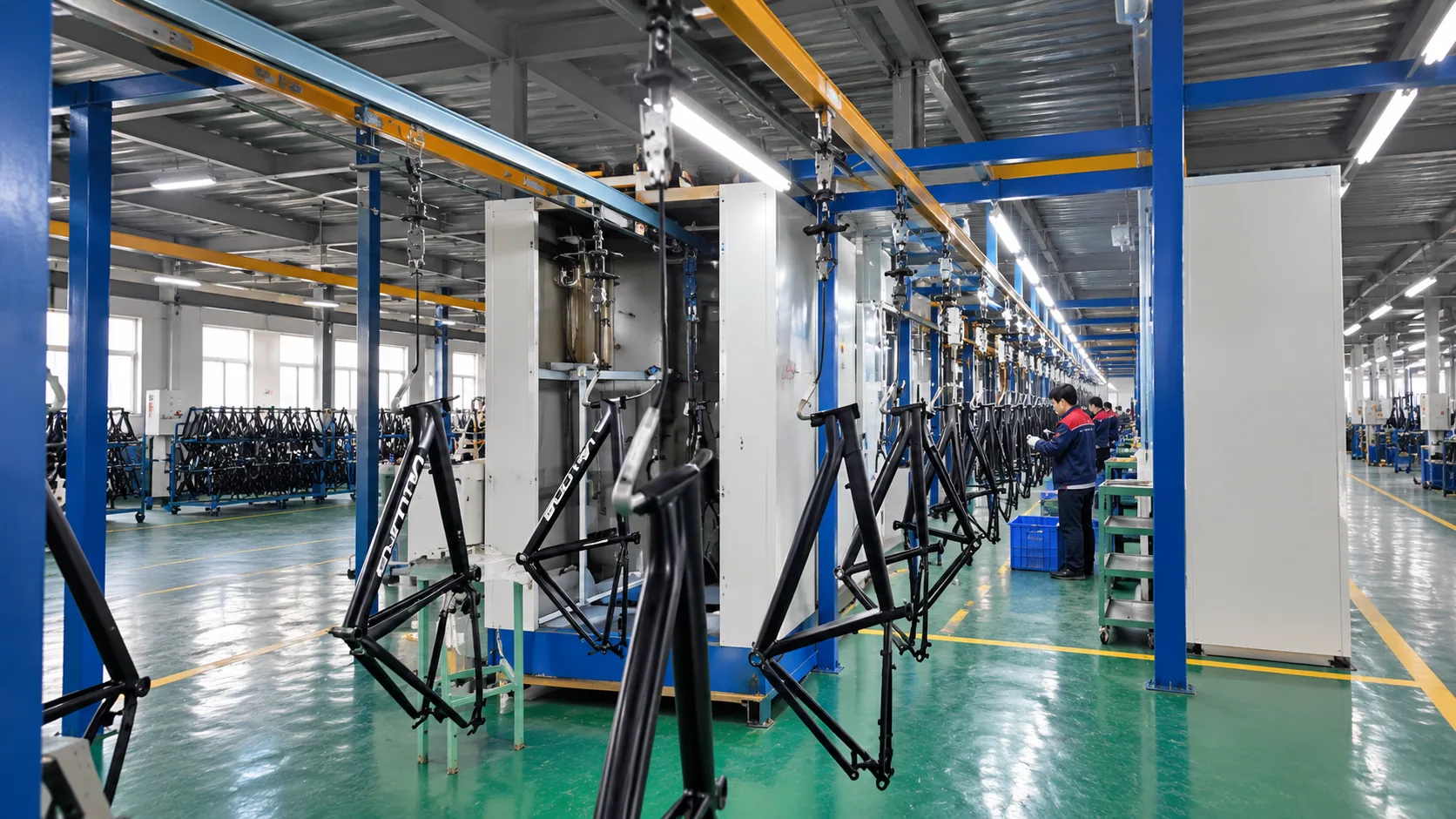
A private-label bicycle range starts with a clear product decision: who you want to serve, which models you need and what makes the range recognizably yours. Branding, components and production planning should support the same positioning.
1. Give each model a clear role
Choose a manageable launch range around your customers and sales channels. Define the intended use, target rider, frame sizes and price position for each model. Avoid adding variations that do not solve a clear customer need; each color, size or component combination may affect purchasing quantities and production planning.
2. Separate OEM customization from development work
An established platform can be a practical starting point for custom colors, decals, component selections and packaging. A new frame concept, geometry change or structural modification needs a separate feasibility review. State which parts of your brief are essential and which are preferences.
Ask the supplier to identify existing options, additional engineering work, sample stages and any tooling or development charges. Do not assume a branding quotation includes a new frame design. Agree the project scope and responsibilities in writing.
3. Build a controlled component list
Record frame material and sizes, wheel and tire dimensions, fork, brakes, drivetrain, cockpit and accessories. For an e-bike, add the motor, battery, controller, display and charger. Use identifiable component references wherever possible and record the approval process for alternatives.
This list helps the buyer and supplier compare quotations on the same basis. It also becomes the reference for sample review, production and future reorders.
4. Prepare the brand artwork
- Provide usable logo files and color references.
- Mark decal positions and dimensions on a drawing or annotated image.
- Specify labels, manuals, carton markings and languages.
- Separate cosmetic requests from structural or electrical changes.
Review artwork on the chosen frame rather than relying only on a generic mockup. Placement, frame size and finish can change how a graphic appears.
5. Use the sample as a documented approval stage
Check the component list, finish, branding, fit and packaging. Record requested changes and the version approved for production. Where a revised sample is needed, agree what must be rechecked and when production can begin. A photograph alone does not replace a written specification.
6. Agree the commercial and delivery details
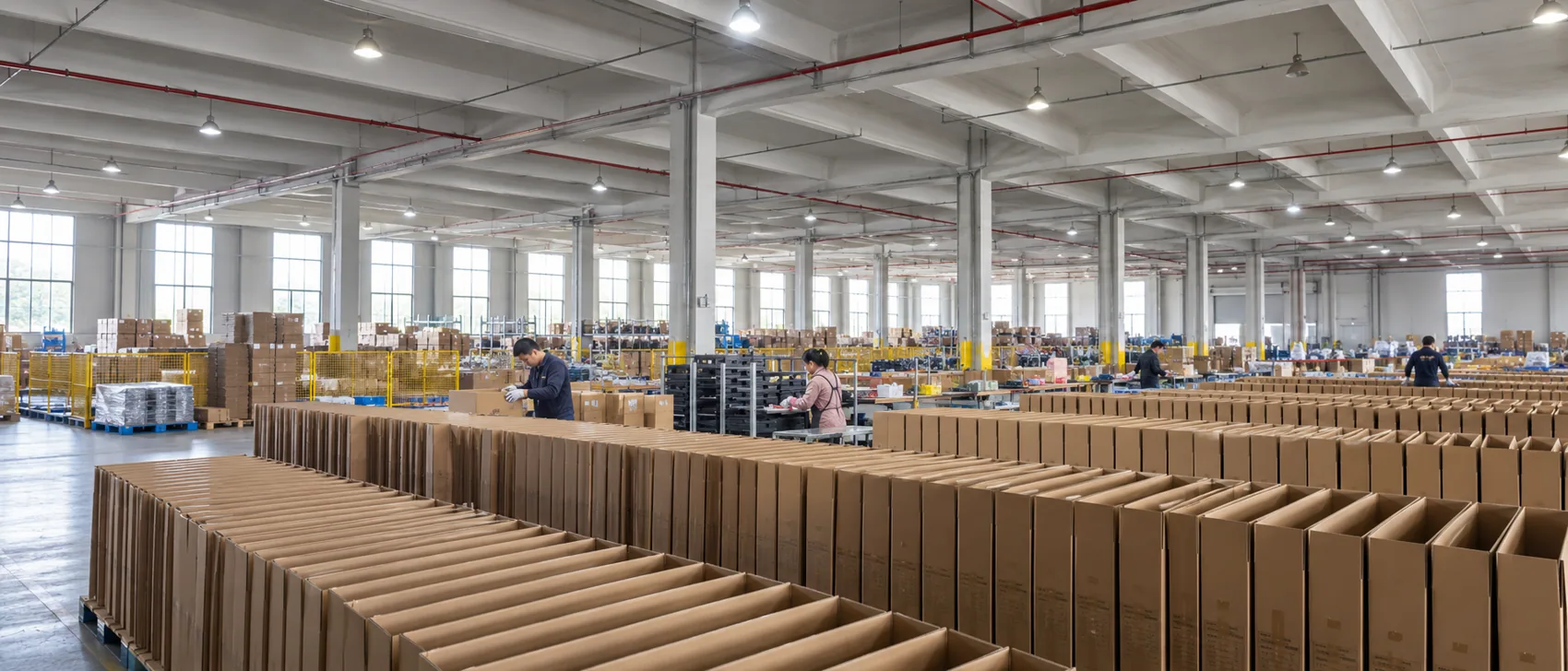
PEDRAVO’s minimum order quantity is 50 units per model, including OEM/ODM orders. Confirm the color, size and configuration breakdown in your quotation. Separate sample timing, production lead time and transport time. Record payment and delivery terms, inspection arrangements, spare parts and after-sales responsibilities in the quotation and order documents.
Review PEDRAVO OEM/ODM services to see the available project routes. Our supply model combines in-house production and partner factories; the manufacturing scope and customization options are evaluated for each project. Send your private-label brief to begin.